First visit
You want to introduce your child to the dentist, without any distress.
- A playful, unhurried check-up
- Often just getting to know each other, no treatment
- Builds trust for the future
Home · Services · Paediatric dentistry
Paediatric dentistry · Children's dentist · OlbiaYour child's first dentist shapes the relationship they will have with dental care for the rest of their life. In Olbia we welcome them with kindness and patience, turning the visit into a calm experience — and building a good relationship right from the start.
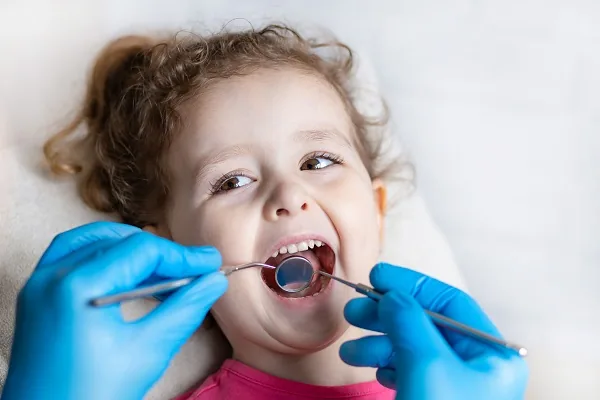
The way a child experiences their first visits stays with them for years. That is why we dedicate time and attention to putting them at ease, explaining everything in simple words, without rushing and without frightening them.
We don't just "fix a little tooth and move on": we build a calm experience, because a child who walks in smiling will happily come back as an adult too. And to you, the parent, we always explain what we see and why.
Even though they will fall out, milk teeth guide the growth of the dental arches, chewing and speech, and protect the permanent tooth growing underneath. Treating them in good time prevents pain today and problems tomorrow.
From the first meeting to prevention and small treatments. And if crooked teeth are the concern, we point you to the right path.
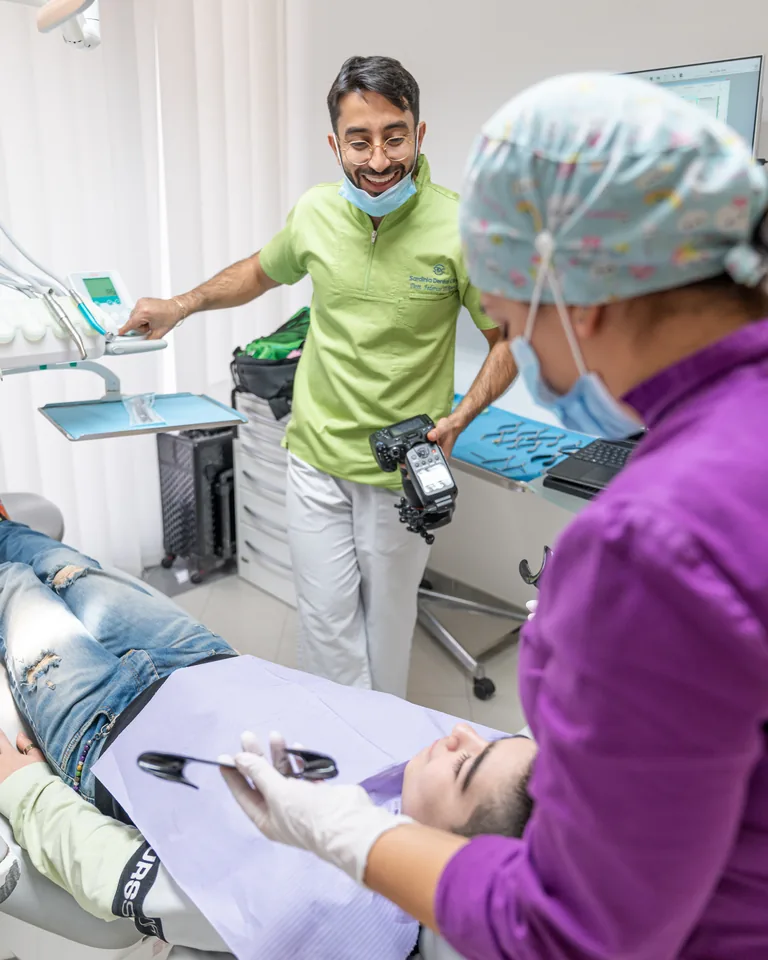
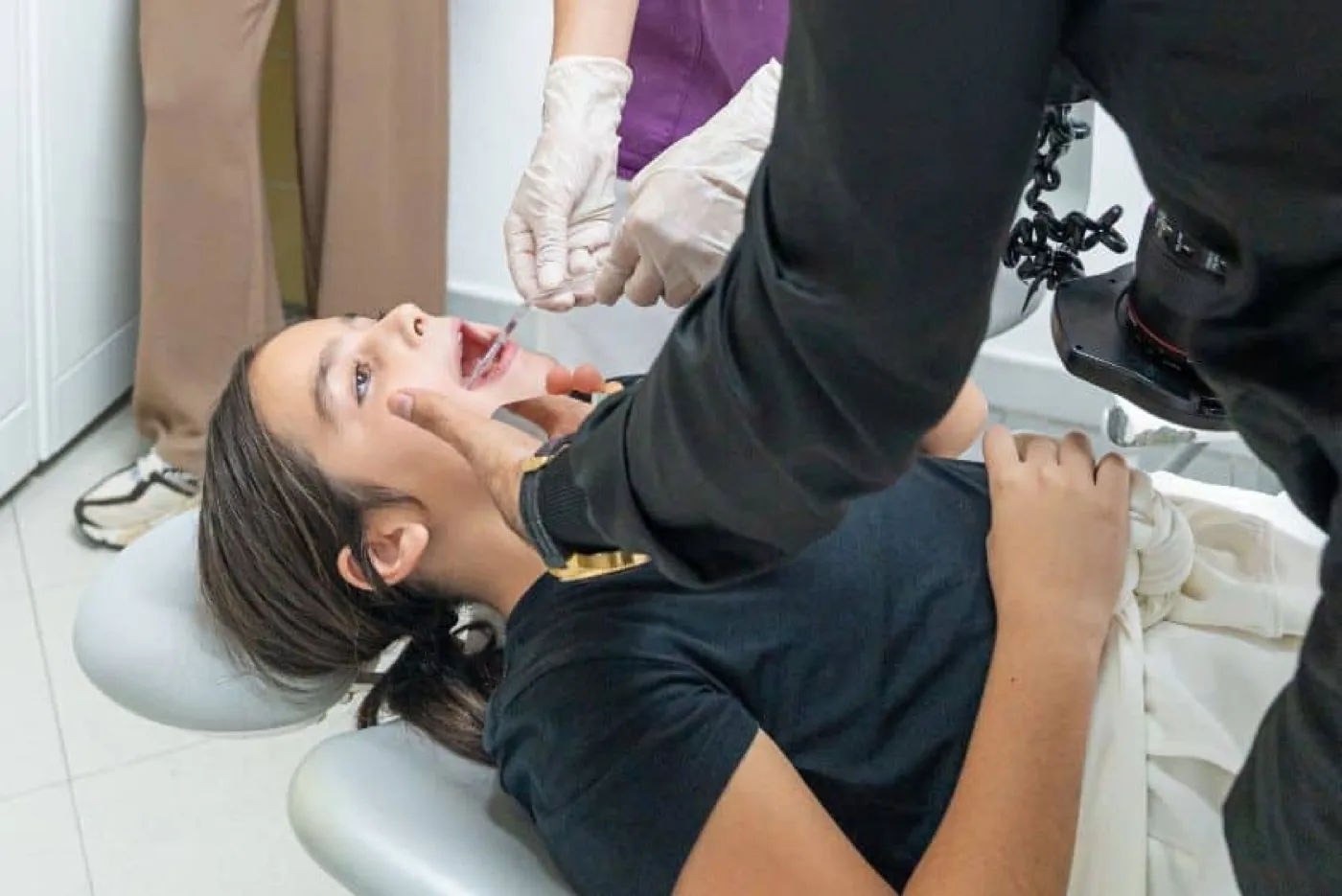
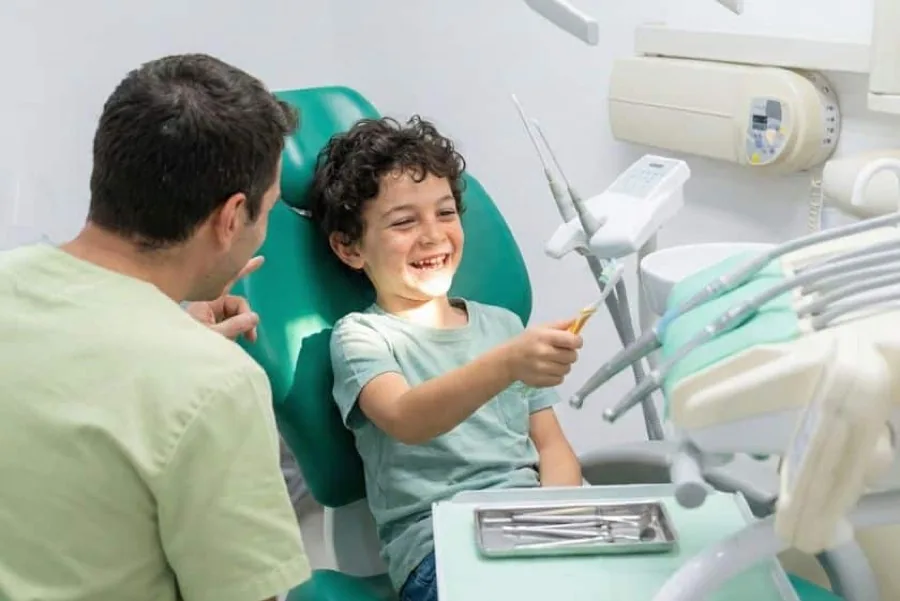
We let the child settle in gently, at their own pace, without rushing.
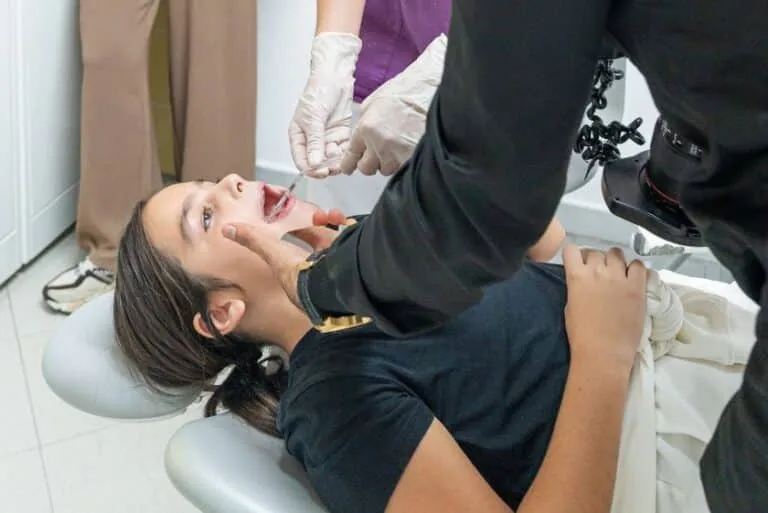
A playful check-up to get to know each other: often with no treatment at all.
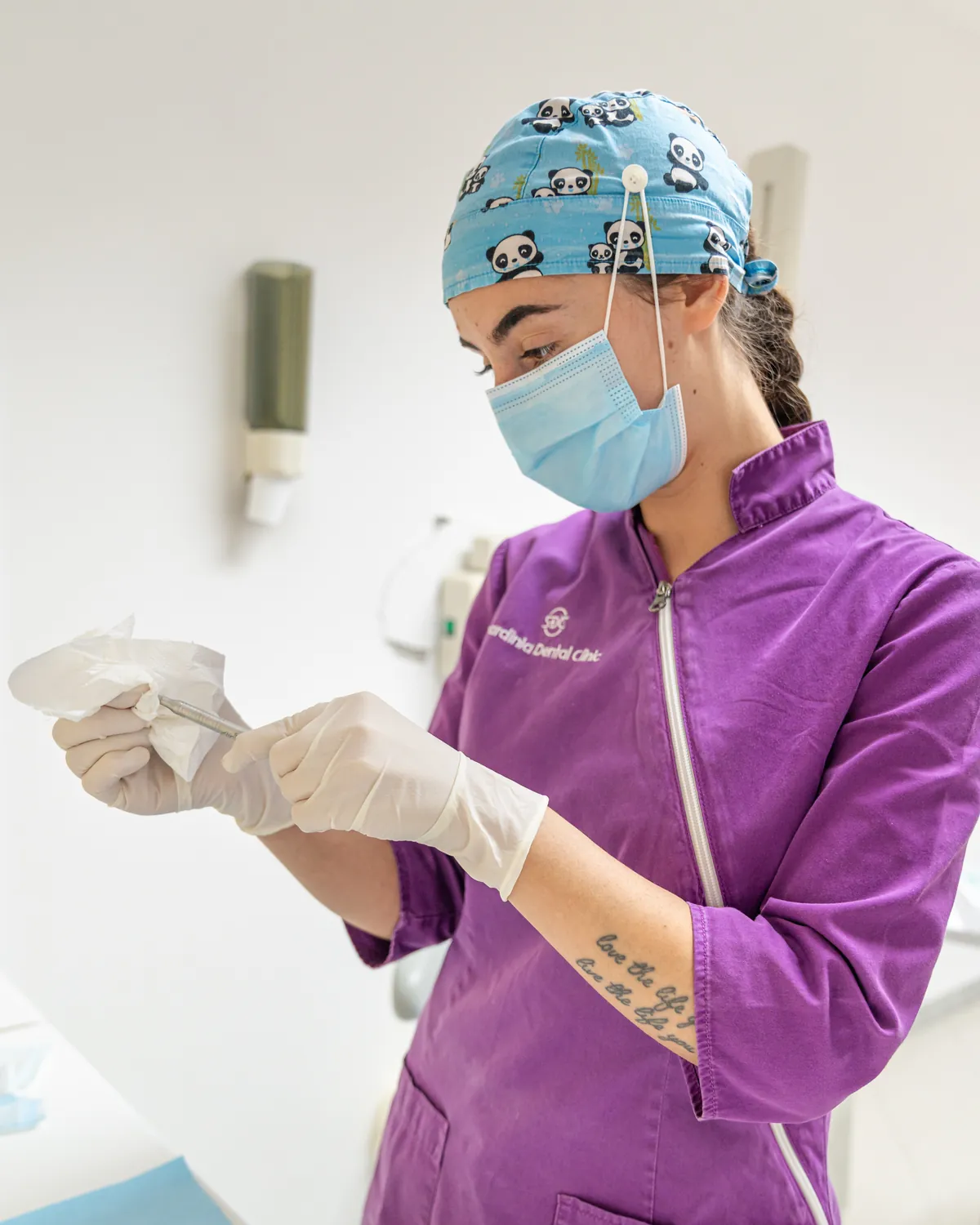
Guided hygiene, fluoride and, if needed, sealants to protect little teeth.
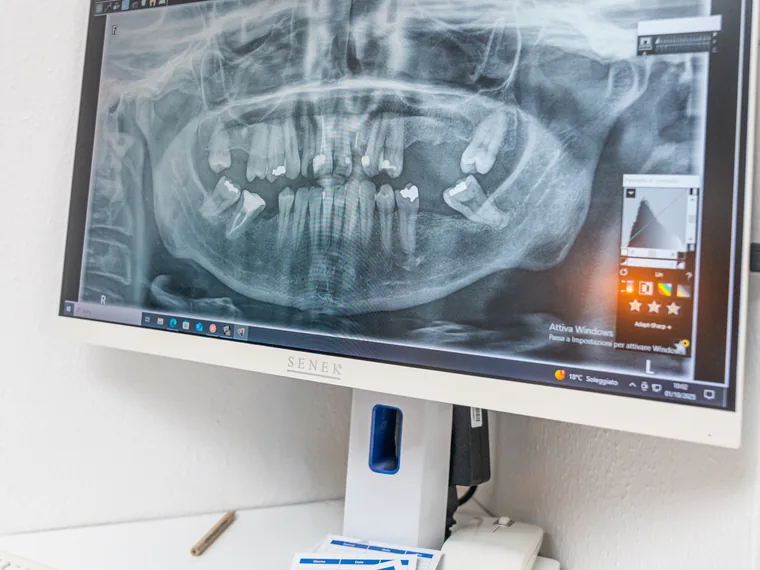
We follow the development of the teeth over time, stepping in at the right moment.
The most common belief about milk teeth is also the riskiest. Here's why.
You don't need a problem to come: the best first appointment is the calm one. It applies if…
A first check-up is helpful from around the age of 3, and in any case when the first little teeth appear. It mainly serves to help them settle in and to set up prevention: often no treatment is done at all, it is simply about getting to know each other.
They need treating. Even though they will fall out, milk teeth guide the growth of the dental arches, chewing and speech, and protect the permanent tooth underneath. Neglected decay can hurt and cause problems for the permanent teeth.
No: the first visit is almost always just about getting to know each other, a playful, unhurried check-up. The aim is for the child to trust us and to associate the dentist with a calm experience, not with fear.
Talk about it calmly, without using words that frighten ("pain", "injection") and without sharing your own fears. Present it as something normal and interesting. We'll take care of the rest: our job is to make it a calm experience.
Only when it is truly needed for a treatment, and in the gentlest possible way, explaining everything to the child in simple words. In most first visits no anaesthesia is needed at all.
Generally every 6–12 months, but it depends on the child and the risk of decay: we define it together. Regular check-ups help keep the relationship relaxed and catch any problems in good time.
It is a thin protective coating applied to the chewing surface of the permanent molars, where the grooves trap residue and encourage decay. It is usually considered when the first permanent molars appear. It is a preventive measure, not an absolute guarantee.
Fluoride strengthens the enamel and makes it more resistant to decay. It should be used in the right way and in the right amount for the child's age: we'll advise you on this, together with tips on hygiene at home.
The decay advances and can cause pain, abscesses and disturb the permanent tooth growing underneath. Treating it in good time, while it is small, means a simpler, calmer procedure for the child.
A first orthodontic check-up is helpful from around the age of 6–7. If you notice crooked teeth, a narrow palate or an irregular bite, the way forward is interceptive orthodontics, which guides growth: you'll find it on the page dedicated to orthodontics for children.
A calm first appointment is the best gift for their smile. It's free and with no obligation: we take care of making it a calm experience.