Clear aligners
You're an adult and you want to straighten without being noticed.
- Almost invisible and removable
- You take them out to eat and to brush your teeth
- Ideal if you work with the public
Home · Services · Orthodontics
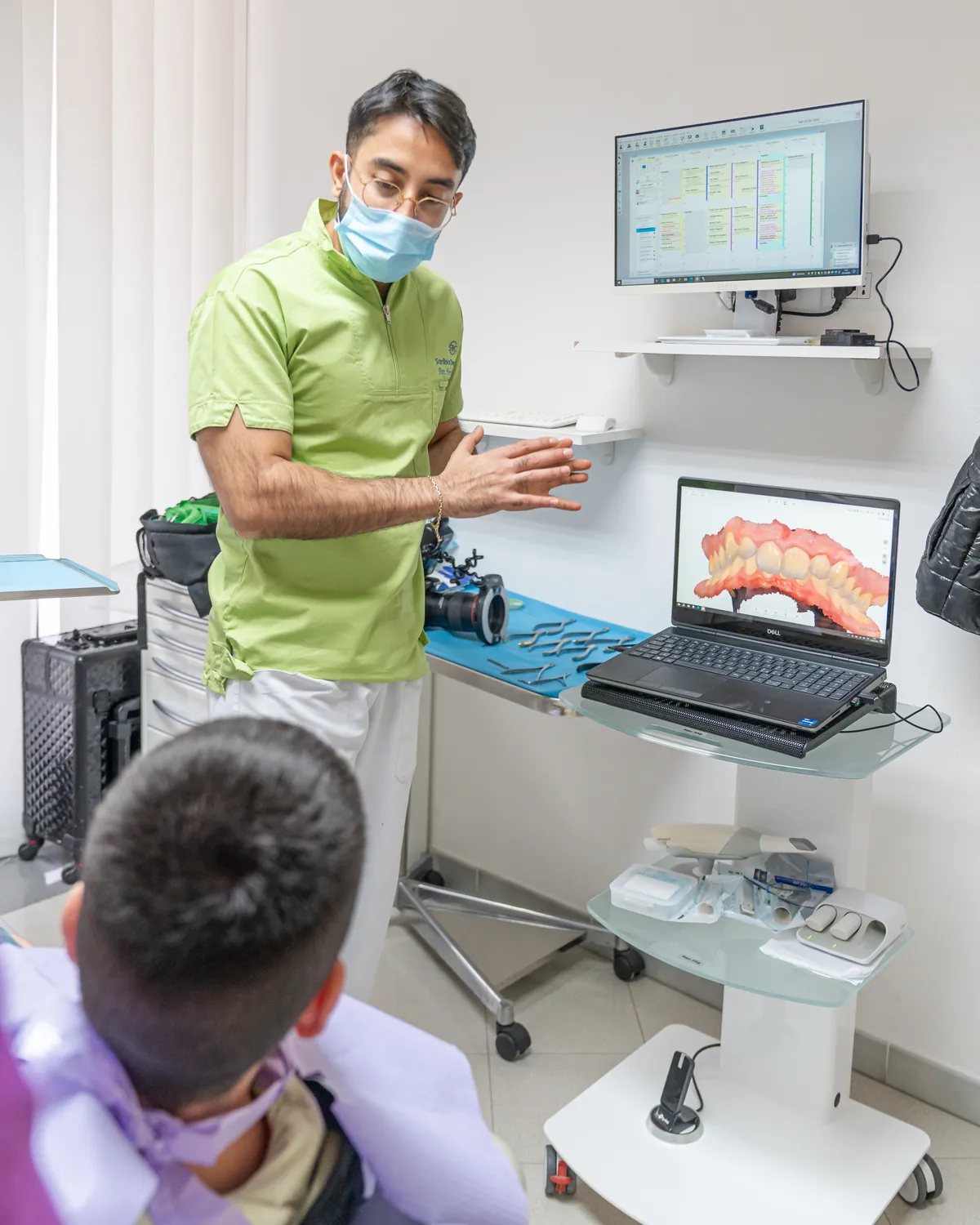
Orthodontics · Clear aligners · OlbiaAlmost invisible clear aligners or fixed braces: in Olbia we straighten adults' teeth without giving up your everyday smile. And with the in-house scanner we show you a preview of the result before you even begin.
The barrier isn't the cost or the braces: it's the uncertainty. Committing for months without knowing the result, and — if you're an adult — the doubt "is it too late?".
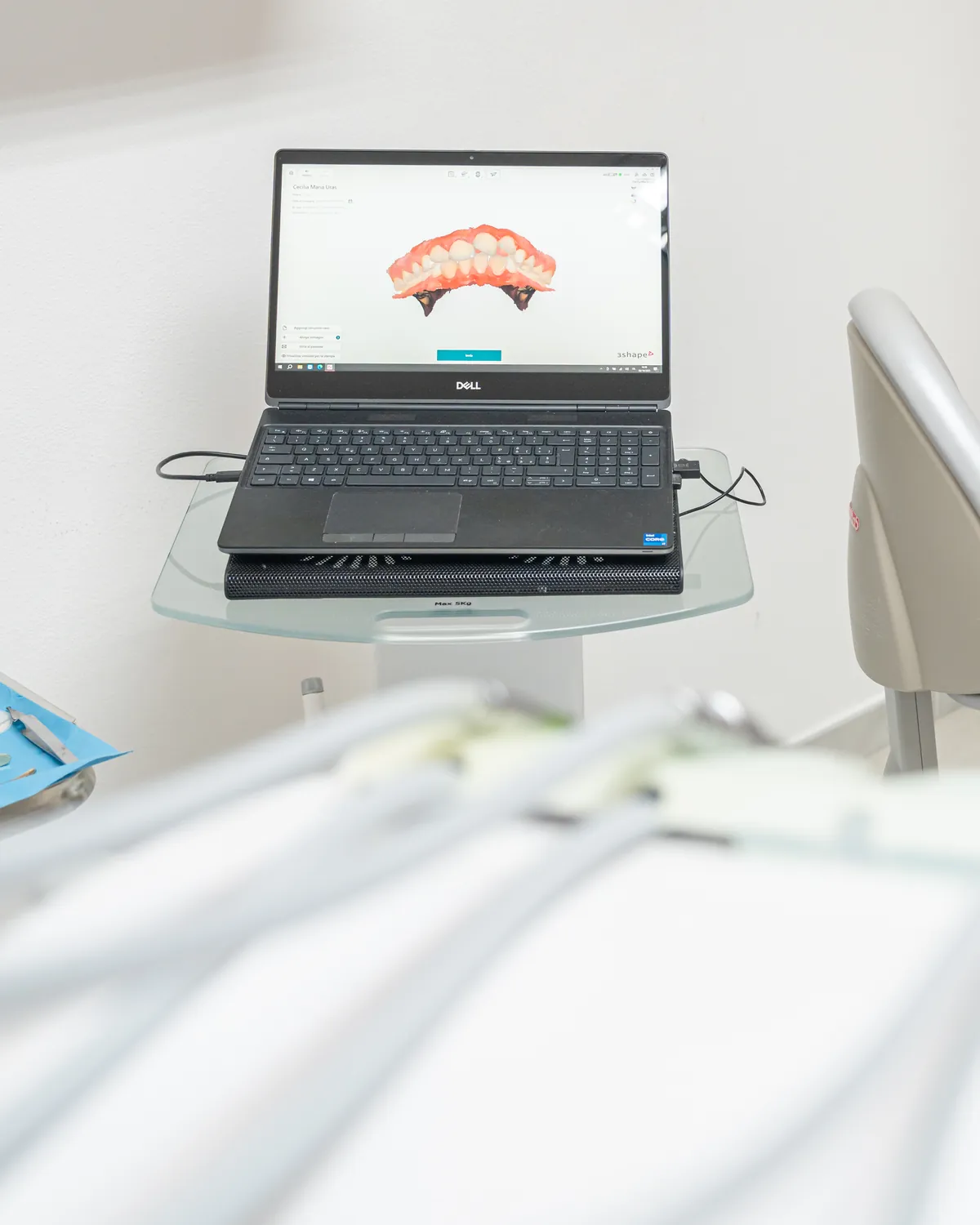
We flip the starting point: with the intraoral scanner we show you a preview of the final smile before you begin. You're not committing blindly: you see where we're going, and you decide with us.
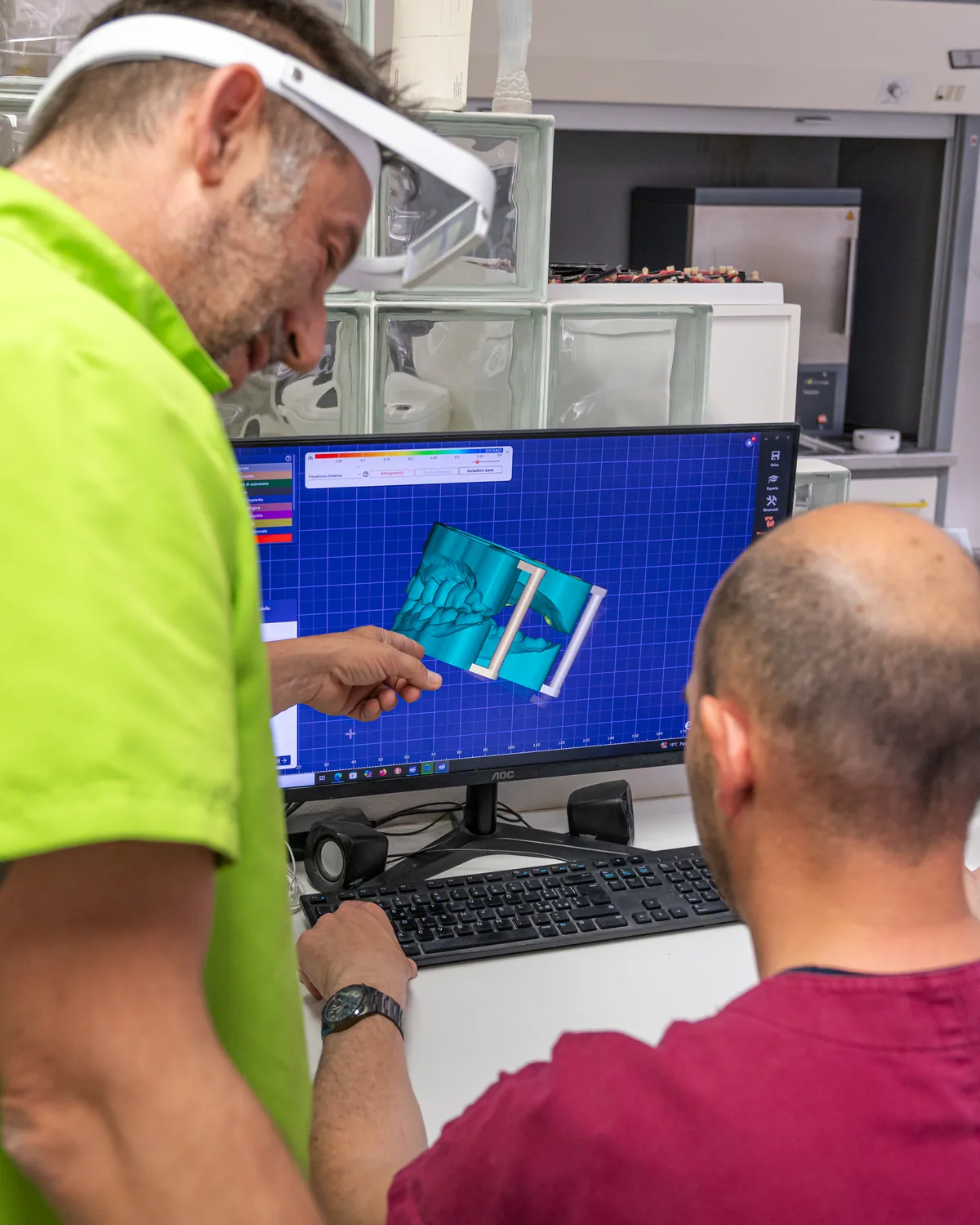
The intraoral scanner takes the impression without paste and builds the digital plan: you see the simulated "before and after" of your smile. An informed decision, not a leap in the dark.
Adult or teenager, simple or complex case: the colour helps you understand which path applies to you.
It's the most requested way for adults to straighten their teeth: discreet, removable and with the result previewed. Here's how it really works — with the honesty to tell you when it isn't enough, too.
It all starts with a 3D scan of your mouth, with no paste. From there we build a digital plan and show you a preview of the result before we begin. Then you receive a series of custom-made clear trays that move the teeth one step at a time.
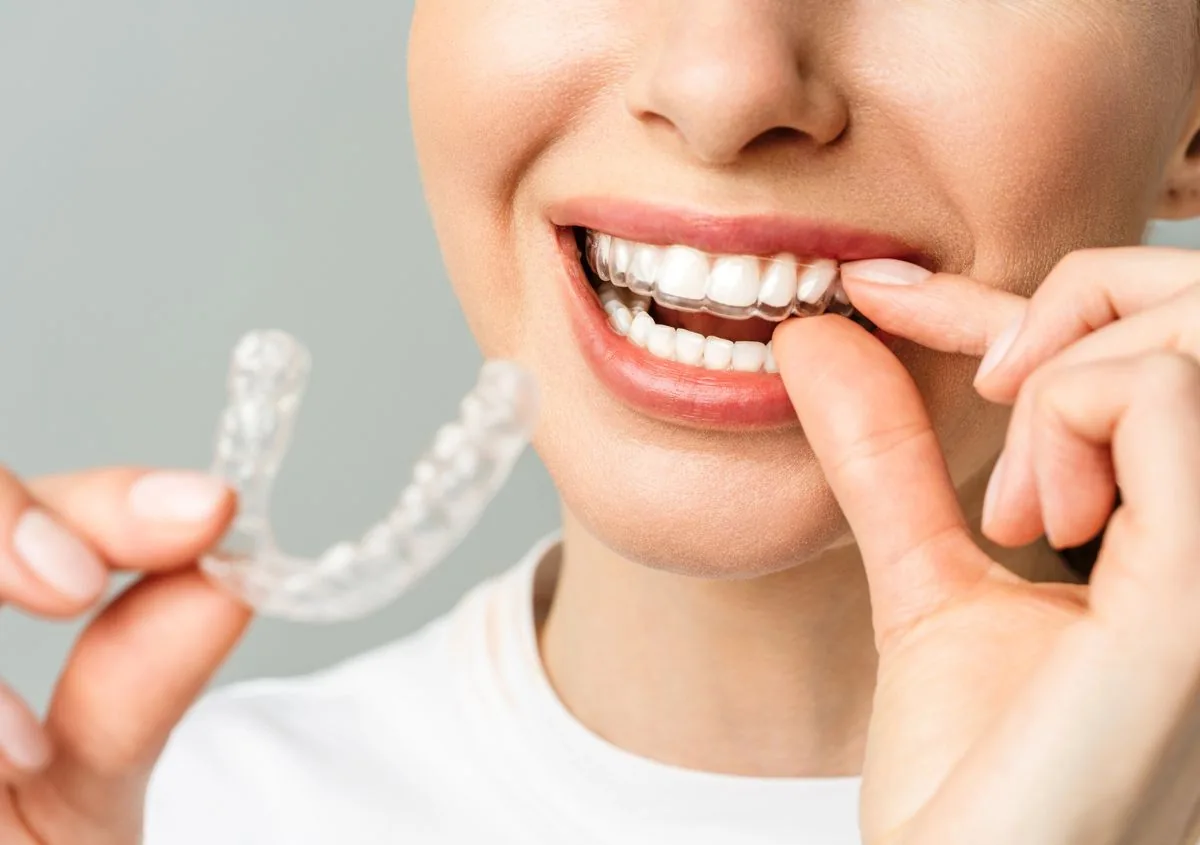
Modern aligners treat many more cases than they did ten years ago, but not everything. If another path is needed, we'll tell you.
They must be worn about 22 hours a day: you only take them out to eat and to brush your teeth. With the aligners in you can drink water; you change them following the plan; and at the end of the journey retention with a retainer is provided, so you don't lose the result. It takes a little consistency and cooperation: in return, almost no one notices you're wearing them.
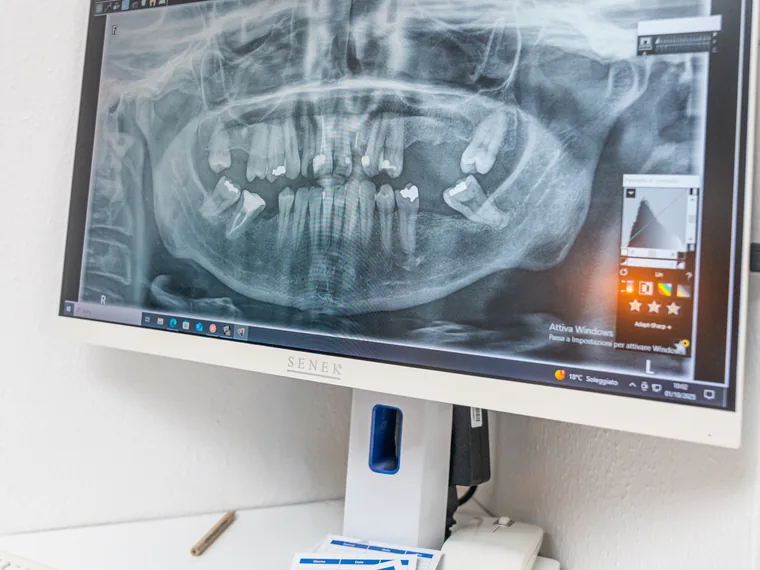
We analyse the position of the teeth and define the goal of the treatment.
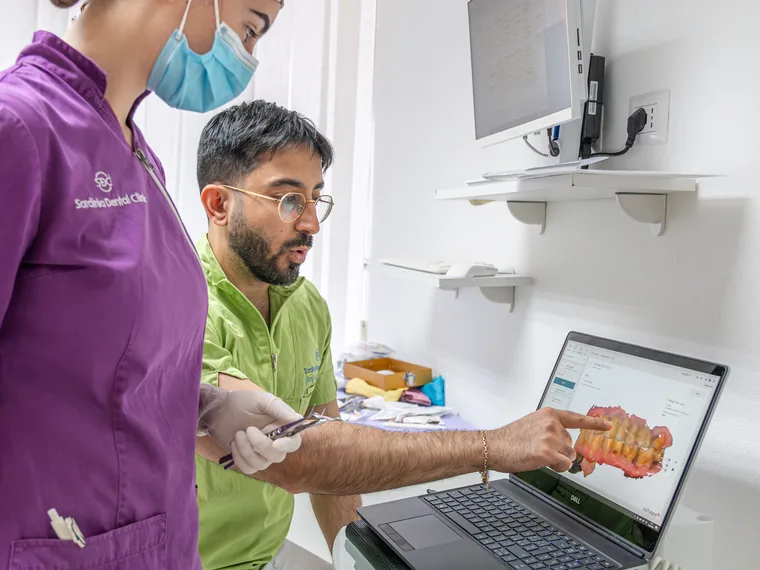
With the scanner we build the plan and show you a preview of the result.
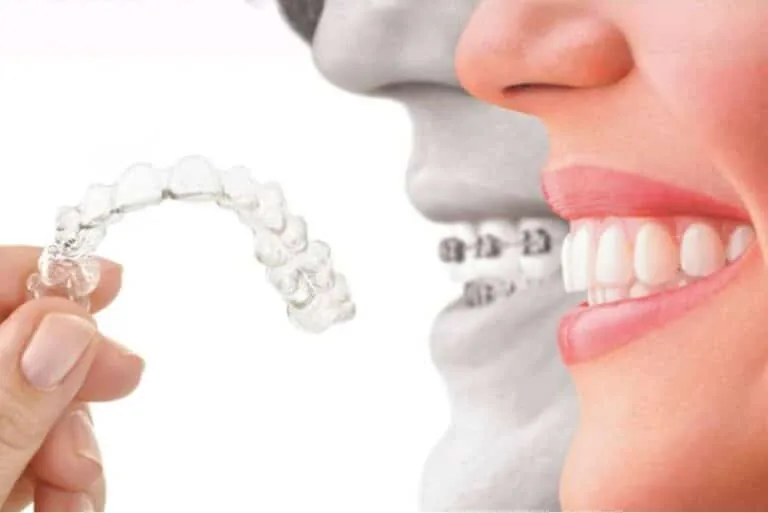
Clear aligners or fixed braces, depending on the case and your priorities.
We check progress at intervals and adjust the journey.
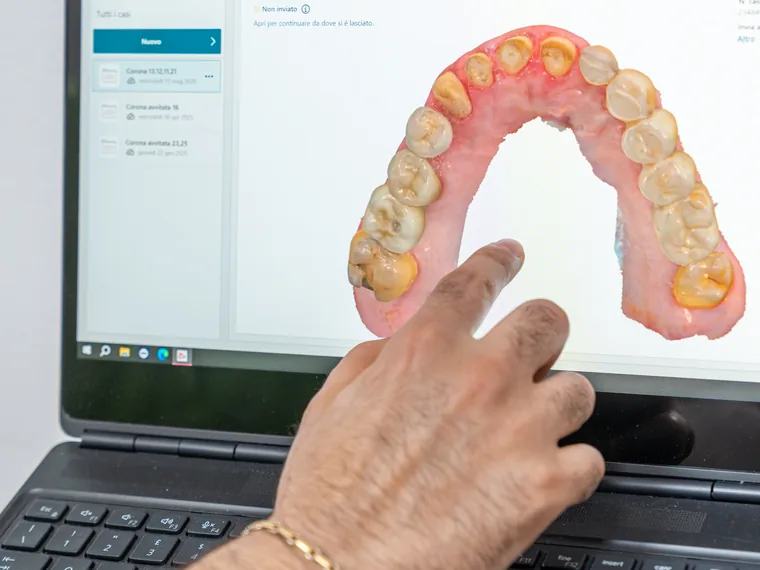
At the end of treatment we hold the result with a retainer.
Neither is "better" in absolute terms: it depends on your case and your lifestyle. Here's how they compare.
Not just aesthetics: straightened teeth are easier to clean and chew better. It's worth an assessment if…
It depends on the case: from a few months to a couple of years. The durations you read about are general industry indications; we give you a realistic estimate for your case after the initial assessment, not before.
Very little: they are transparent and fit closely over the teeth, almost invisible. Most of the people around you won't notice them, and you take them out to eat and to brush your teeth. They are the ideal solution if you work with the public.
It depends on the complexity of the case and the length of treatment: that is why there is no single price. At the first visit, free and with no obligation, we assess the situation and give you a clear plan and quote before you start.
Yes, and there is no maximum age: teeth move at any age, only the pace changes. More and more adults are choosing to straighten them. The condition is having healthy teeth and gums: any cavities or gum inflammation are treated first.
Aligners are discreet and removable, but they require discipline; fixed braces work on their own and also handle the more complex movements. The choice depends on your case and your priorities: we decide it together after the assessment.
About 22 hours a day: you only take them out to eat and to brush your teeth. This is the deal that makes the result possible — which is why it also takes a little consistency and cooperation on your part.
To eat you take them out, so you can eat whatever you like with no restrictions. With the aligners in you can drink water; for other drinks it's better to remove them, to avoid staining them and to protect your teeth.
It's not pain: with each change of aligner or after an adjustment of the fixed braces you may feel some pressure for a couple of days, a sign that the teeth are moving. It passes quickly and is manageable.
They can tend to shift, which is why at the end of treatment we provide retention with a retainer (fixed or removable): it serves to hold the result over time. It is an important part of the journey, not an optional extra.
A first check-up is helpful from around the age of 6-7. For younger children the path is interceptive orthodontics, which guides growth at the right time: you'll find it on the page dedicated to orthodontics for children.
Book your first visit, free and with no obligation: we assess your case and, with the scanner, show you a preview of the possible result.